Inside the World of Glass Greenhouses: Everything You Need to Know
Posted on 18-08-2023 12:57 μμ
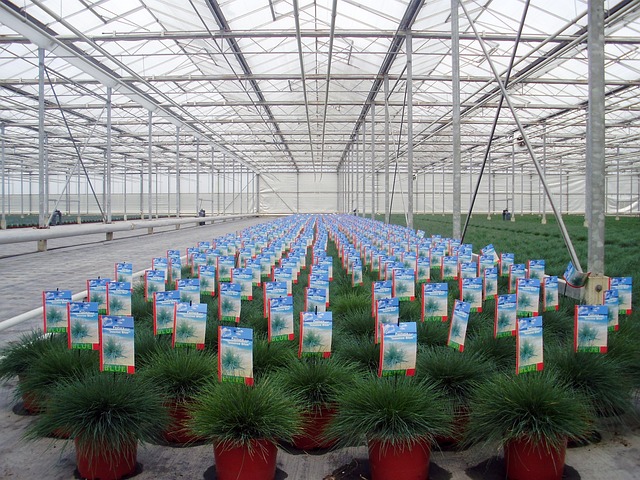
Gardening is a hobby many people enjoy, and it can be a great way to relax and unwind after a long day. If you're serious about gardening, investing in a glass greenhouse might be just what you need to take your skills to the next level. In this article, we'll explore everything you need to know about glass greenhouses, from their benefits to how to maintain them properly. Let's get started!
Introduction to Glass Greenhouses
A glass greenhouse is a structure made primarily of Glass that allows plants to grow in a controlled environment. These structures are typically used for growing fruits, vegetables, flowers, and other types of plants. They work by trapping heat inside, which helps keep the plants warm and protected from harsh weather conditions.
The Benefits of Using a Glass Greenhouse
For several reasons, someone might choose to use a glass greenhouse over another type of gardening setup. Here are some of the top benefits:
Controlled Environment: With a glass greenhouse, you have complete control over the temperature, humidity, and light levels that your plants receive. This means you can create an ideal environment for your plants.
Year-Round Gardening: Because you can control the climate inside a glass greenhouse, you can garden year-round. This means that even during colder months when outdoor gardens aren't feasible, you can continue to grow fresh produce or beautiful blooms.
Better Yields: Plants grown in a glass greenhouse yield more fruit or veggies than those grown outdoors because they are given optimal growing conditions.
How to Maintain a Healthy Environment in Your Glass Greenhouse
Maintaining a healthy environment in your glass greenhouse requires regular maintenance and attention. Here are some tips on how to do so:
Ventilation: Proper ventilation is crucial to keeping your plants healthy. Ensure adequate airflow throughout the greenhouse to prevent stagnant air and excess moisture buildup.
Temperature Regulation: Keeping the temperature at a consistent level is essential for plant growth. Use heaters or fans as needed to regulate the temperature inside the greenhouse.
Pest Management: Like any garden, pests can be problematic in a glass greenhouse. Be proactive with pest management strategies such as using natural predators or organic pesticides.
Common Problems with Glass Greenhouses and Their Solutions
Even though glass greenhouses offer numerous benefits, they have their fair share of challenges. Some common problems include:
Drafts: Drafty areas within the greenhouse can cause uneven temperatures and make it challenging to maintain a stable environment. Add insulation or cover drafty areas with plastic sheeting to fix this issue.
Condensation: Excess condensation can lead to mould and mildew issues. To avoid this, ensure proper ventilation and consider installing a dehumidifier if necessary.
Conclusion: Why Choose a Glass Greenhouse for Your Gardening Needs
If you want to take your gardening to the next level, a glass greenhouse may be precisely what you need. With its ability to provide a controlled environment, year-round gardening opportunities, better yields, and endless customization options, it's no wonder many avid gardeners choose to invest in one. So whether you're interested in growing herbs, tomatoes, peppers, or anything else under the sun, consider adding a glass greenhouse to your backyard today!
The Benefits of Using a Glass Greenhouse in Your Garden
Gardening is an activity that people have enjoyed for centuries. It not only provides fresh produce but also helps to reduce stress and improve mental health. One way to enhance your gardening experience is by using a glass greenhouse. This article will explore the benefits of using a glass greenhouse in your garden.
Introduction to Glass Greenhouses
A glass greenhouse is made of transparent material, typically Glass or plastic, which allows sunlight to enter while keeping the temperature inside warm enough to grow plants year-round. They come in various sizes and shapes, from small hobbyist models to large commercial ones. The use of glass greenhouses dates back to ancient Rome, when they were used to grow exotic fruits and vegetables. Today, they are widely used by amateur and professional gardeners worldwide.
The Benefits of Using a Glass Greenhouse in Your Garden
1. Extend the growing season: A glass greenhouse enables you to start seedlings earlier in the spring and extend the harvest later into the fall. This means you can enjoy fresh home-grown produce for extended periods throughout the year.
2. Protects plants from extreme weather conditions: Glass greenhouses protect against harsh weather elements such as heavy rain, strong winds, and frost. This ensures your plants remain safe and healthy even during adverse weather conditions.
3. Controlled environment: With a glass greenhouse, you have complete control over its environmental conditions. You can regulate the temperature, humidity, and airflow to create the perfect growing conditions for your plants.
4. Improved plant growth: Plants grown in a glass greenhouse tend to be healthier and more productive due to the optimal growing conditions provided. Additionally, the absence of pests and diseases makes them thrive better than those grown outdoors.
5. Energy efficiency: Modern glass greenhouses are designed with energy efficiency in mind. Double glazing, insulation, and ventilation systems help to retain heat and minimize energy consumption.
Maintaining a Healthy Glass Greenhouse
To maintain a healthy glass greenhouse, there are several things you need to do. Firstly, keep the interior clean and well-ventilated. Regularly remove any dead plant matter or debris that may accumulate. Secondly, monitor the temperature and humidity levels to ensure they stay within the recommended range for your plants. Thirdly, watch out for pests and diseases and take appropriate measures to prevent their spread. Finally, ensure to water your plants regularly, but avoid overwatering, which can lead to root rot.
Conclusion
In conclusion, investing in a glass greenhouse is a wise decision to maximize your gardening potential. A glass greenhouse offers many benefits, whether you want to extend your growing season, protect your plants from harsh weather conditions, or simply enjoy a controlled and optimized growing environment. So why wait? Start reaping the benefits of glass greenhouse gardening today!
Tips and Tricks for Maximizing Humidity in Your Glass Greenhouse
Introduction to Humidity in a Glass Greenhouse
Humidity is essential for maintaining a healthy and thriving environment inside your glass greenhouse. The amount of moisture in the air helps plants grow and produce flowers, fruits or vegetables. The ideal humidity level varies depending on the type of plant you are growing but generally ranges from 40%-80%. This article will discuss tips and tricks for maximizing humidity levels in your glass greenhouse.
The Importance of Maintaining Proper Humidity Levels
Maintaining proper humidity levels can help prevent pests and diseases, reduce stress on plants, increase yields, and improve overall growth rates. Low humidity levels can cause wilting, dry leaves, and even death, while high humidity levels can lead to mould, mildew, and fungal problems. Understanding how to control humidity levels can create a better environment for your plants to flourish.
Watering Techniques for a Glass Greenhouse
One way to keep humidity levels up is by watering your plants correctly. Overwatering can lead to root rot and low humidity levels, so finding the right balance is crucial. Avoid cold water as it can shock the roots and harm the plant. Instead, use warm water and mist the leaves regularly to increase evaporation and raise humidity levels. Also, water early in the day to allow excess moisture to drain out before nightfall.
Common Mistakes to Avoid When Maintaining a Glass Greenhouse
A common mistake people make when maintaining humidity levels is not providing enough ventilation. Condensation can build up without adequate airflow, leading to mould and mildew. Another mistake is not monitoring humidity levels frequently. You should invest in a hygrometer to track humidity levels and adjust accordingly. Finally, avoid overcrowding your plants; they need space to breathe and transpire properly.
Maximizing Humidity in Your Glass Greenhouse
Consider installing a humidifier or fogger to maximize humidity levels in your glass greenhouse. These devices can add moisture to the air quickly and efficiently. You can also group plants to create a microclimate with higher humidity levels. Adding organic matter like compost or mulch to your soil can help retain moisture and improve overall plant health.
Conclusion: Tips and Tricks Recap
In conclusion, maintaining proper humidity levels in your glass greenhouse is critical for optimal plant growth and development. Following our tips and tricks can create a more favourable environment for your plants to thrive. Monitor humidity levels regularly, provide adequate ventilation and water, and avoid overcrowding. These strategies allow you to maximize humidity levels and enjoy a bountiful harvest.