Transform Your Yard with These Innovative Small Greenhouse Designs
Posted on 02-02-2024 01:33 μμ
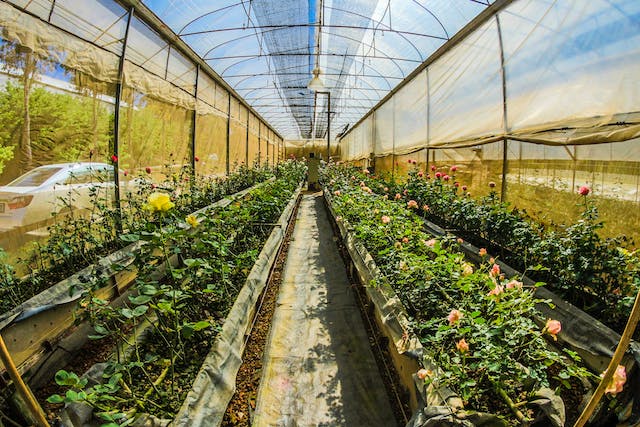
Small greenhouses are becoming increasingly popular among homeowners who want to grow their herbs, vegetables, and fruits. They provide a controlled environment that allows you to cultivate your plants year-round, even in harsh weather conditions. But not all tiny greenhouses are created equal – some offer more innovative designs than others. Here are five ways to transform your yard with these cutting-edge small greenhouse designs:
Introduction to Small Greenhouse Designs
Choosing suitable materials is one of the most important aspects of building a small greenhouse. Traditional wood or metal frames may still be used, but newer options, such as plastic and fiberglass, are also available. Plastic greenhouses are becoming more popular due to their durability and ease of assembly. Fiberglass greenhouses, on the other hand, offer greater strength and insulation. Another option is a geodesic dome greenhouse, which can withstand strong winds and heavy snow loads.
Innovative Materials for Your Small Greenhouse
Another way to make your small greenhouse stand out is by using unique materials for its construction. For example, bamboo has become popular because it's lightweight, strong, and sustainable. You could also use recycled plastic bottles to create an eco-friendly greenhouse. Some people have even experimented with shipping containers, turning them into functional, stylish mini-greenhouses.
Tips for Creating a Functional and Efficient Small Greenhouse
Once you've chosen the perfect design and materials for your small greenhouse, it's time to create a functional and efficient space. One tip is to maximize natural light by installing skylights or windows on both sides of the structure. This will allow sunlight to enter from different angles throughout the day. It would be best to consider adding a ventilation system to maintain airflow and prevent moisture buildup. A simple fan or exhaust system can do the trick.
Unique Layout Ideas for Your Small Greenhouse
A common mistake when designing a small greenhouse is cramming too many plants into a limited space. Instead, try incorporating unique layout ideas that optimize plant growth while making the space visually appealing. Consider creating separate areas for different types of plants, such as herbs, vegetables, and fruit trees. You could also add vertical gardens or hanging planters to utilize wall space.
Lighting Options for Your Small Greenhouse
If you live in an area with limited sunlight, artificial lighting is essential for growing healthy plants inside your greenhouse. Several lighting options are available, including fluorescent bulbs, LED lights, and high-pressure sodium lamps. Fluorescent bulbs are ideal for seedlings and young plants, while LED lights are better suited for mature plants. High-pressure sodium lamps simulate natural sunlight and are often used in commercial greenhouses.
Maintaining Your Small Greenhouse Year-Round
Finally, maintaining your small greenhouse year-round is crucial for keeping your plants healthy and thriving. Regular cleanings and maintenance checks are necessary to remove pests, diseases, and debris. It's also important to monitor temperature and humidity levels to ensure they remain within optimal ranges for plant growth. Depending on your climate, adding a heater or cooler can help regulate temperatures inside the greenhouse.
How to Maximize Your Small Greenhouse Space for Maximum Yield
Small greenhouses are becoming increasingly popular among homeowners who want to grow their produce but don't have the space for a full-sized garden. This blog post will explore how you can maximize your small greenhouse space for maximum yield.
Introduction to Small Greenhouses
A small greenhouse is typically defined as one that measures less than 10 feet by 12 feet. These structures are ideal for growing herbs, vegetables, and fruits in a compact environment. One of the benefits of having a small greenhouse is that it requires less maintenance than larger ones. Additionally, they are more affordable and more accessible to build or purchase.
Maximizing Your Limited Space with Vertical Gardening Techniques
Vertical gardening techniques are one way to make the most out of your limited space. This involves planting crops on shelves or hanging baskets instead of traditional rows. By doing so, you can double or even triple the amount of plants you can grow in a small area. Some examples of crops that work well with vertical gardening include tomatoes, peppers, and lettuce. You can also use trellises or stakes to support vine-like crops such as cucumbers and beans.
Tips for Optimizing Light and Temperature in a Small Greenhouse
Another essential factor to consider when maximizing your small greenhouse space is light and temperature. Since small greenhouses have limited floor space, optimizing natural light is necessary to ensure healthy plant growth. Consider installing a skylight or adding reflective surfaces to increase the amount of sunlight entering the greenhouse. You should also invest in a thermometer and humidity meter to monitor the temperature and moisture levels inside the greenhouse. Maintaining a consistent temperature between 65°F and 75°F is crucial for optimal plant growth.
Maintaining Healthy Soil and Plants in a Compact Environment
Maintaining healthy soil and plants in a small greenhouse is critical for achieving high yields. Use high-quality potting mixes that drain well and provide adequate plant nutrients. Avoid overcrowding your plants to prevent disease and pest infestations. Regularly prune dead leaves and branches to keep your plants healthy and productive. Finally, consider using organic fertilizers and natural pesticides to promote sustainability and reduce environmental impact.
Conclusion
Implementing these strategies allows you to maximize your small greenhouse space for maximum yield. Whether you want to grow fresh herbs for cooking or start a backyard farm business, a small greenhouse can help you achieve your goals while minimizing costs and effort.