The Benefits of Greenhouse Gardening for Beginners
Posted on 22-07-2024 02:28 μμ
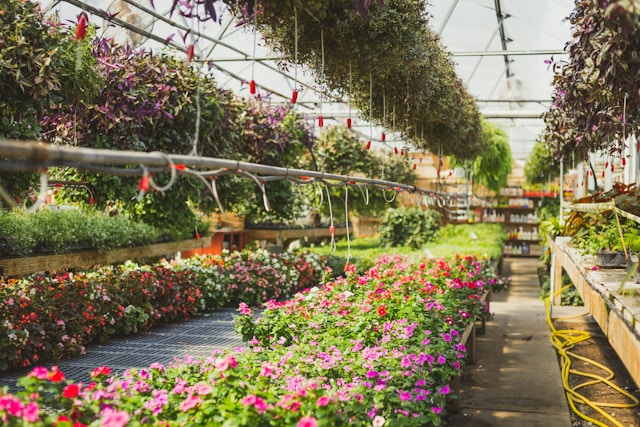
Welcome to the world of greenhouse gardening! Whether you're a seasoned gardener or just starting, building and maintaining your greenhouse can be an enriching experience. In this post, we'll explore everything you need to know about beginning greenhouse gardening, from choosing the suitable greenhouse for your needs to growing plants in a controlled environment. Let's dive in!
The Benefits of Using a Greenhouse for Beginners
One of the most significant benefits of using a greenhouse is that it allows you to extend the growing season by several months. This means that even if you live in an area with harsh winters or short summers, you can still grow fresh produce year-round. Additionally, greenhouses protect against pests and weather extremes, making them ideal for beginners who may not have much experience dealing with these challenges.
Choosing the Right Greenhouse for Your Needs
There are many factors to consider when selecting a greenhouse. First and foremost, you'll want to determine what size and shape will work best for your space and budget. You'll also need to decide whether you prefer a freestanding structure or one that attaches directly to your home. Other essential features include ventilation, heating options, and lighting systems.
How to Set Up and Maintain a Successful Greenhouse Garden
Once you've chosen the perfect greenhouse for your needs, it's time to start setting up your garden. Here are some tips for success:
1. Choose suitable soil - Opt for a high-quality potting mix that drains well and retains moisture.
2. Select the right plants - Consider which crops do well in a greenhouse environment and choose accordingly. Lettuce, spinach, tomatoes, and herbs are all great choices.
3. Monitor temperature and humidity levels - Keep a close eye on the conditions inside your greenhouse to ensure they remain within optimal ranges for plant growth.
4. Water regularly but carefully - Overwatering can lead to root rot, so water only when necessary and avoid overly wet soil.
5. Use natural pest control methods - Instead of relying on chemical pesticides, use natural remedies like neem oil or companion planting to keep pests at bay.
Tips for Growing Plants in a Greenhouse Environment
Growing plants in a greenhouse requires special care and attention, as the controlled environment can create unique challenges. Here are some tips for success:
1. Pay attention to airflow - Proper ventilation is crucial for preventing mold and mildew buildup, so open windows and vents periodically.
2. Maintain consistent temperatures - Extreme heat or cold can stress plants, so monitor temps closely and adjust heaters or fans as needed.
3. Provide adequate lighting - To thrive, many greenhouse plants require supplemental lighting, so invest in quality bulbs and fixtures.
4. Fertilize regularly - Because greenhouse plants often increase, they require frequent fertilization to stay healthy. Choose a balanced formula and follow package instructions carefully.
Conclusion: Why Greenhouse Gardening is Perfect for Beginners
Greenhouse gardening offers numerous benefits for beginners, including extended growing seasons, protected environments, and easier maintenance. Following the tips above, you can create and maintain a successful greenhouse garden that provides fresh produce year-round. So why wait? Start planning your dream greenhouse today!
Transform Your Backyard into a Lush Oasis with a Greenhouse
Greenhouses are becoming increasingly popular among homeowners who want to grow fresh produce, flowers, and herbs. A greenhouse is an excellent way to extend the growing season, protect plants from harsh weather conditions, and create a beautiful oasis in your backyard. In this blog post, we will explore the benefits of owning a greenhouse, choosing the right one for your needs, setting up your greenhouse for success, tips for beginners, and finally, how you can transform your backyard with a greenhouse.
Introduction to Greenhouse Gardening
A greenhouse is a structure that allows gardeners to control the environment in which their plants grow. It protects from extreme temperatures, winds, and rainfall, allowing plants to thrive even during adverse weather conditions. With a greenhouse, you can grow crops all year round, including fruits, vegetables, and herbs. Additionally, it offers a space to relax and enjoy nature while tending to your plants.
The Benefits of Owning a Greenhouse
1. Extend the Growing Season: One of the primary benefits of having a greenhouse is that it enables you to extend the growing season by several weeks or months, depending on your location. You can start seedlings earlier in the spring and continue growing them until later in the fall than possible outside.
2. Protect Plants from Harsh Weather Conditions: A greenhouse shields your plants from harsh weather conditions such as heavy rain, strong winds, hail, and frost. This means you can grow delicate plants that require specific environmental conditions without worrying about damage caused by unpredictable weather patterns.
3. Improve Crop Yield: A greenhouse helps improve crop yield by providing optimal growing conditions. The protected environment encourages healthy plant growth, resulting in higher yields than outdoor gardens.
4. Reduce Pest Damage: Pests have fewer hiding places inside a greenhouse, making managing them more accessible. As a result, you can reduce the use of chemical pesticides, improving both the quality of your produce and the health of the environment.
Choosing the Right Greenhouse for Your Needs
When choosing a greenhouse, consider factors such as size, shape, materials used, and cost. Here are some essential tips to help you select the best greenhouse for your needs:
1. Determine the Purpose: Determine a greenhouse's purpose. Are you planning to grow ornamental plants, edible crops, or both? Knowing the intended use will guide you in selecting the appropriate design, size, and features.
2. Size Matters: Choose a greenhouse that fits your needs adequately. Consider the number of plants you intend to grow, the space available in your yard, and accessibility. A large greenhouse may seem appealing, but it becomes a liability if you cannot maintain it properly.
3. Materials Used: Greenhouses come in various materials, including aluminum, wood, plastic, and Glass. Each material has advantages and disadvantages. For instance, aluminum is durable, lightweight, and affordable, whereas Glass offers superior insulation and clarity.
4. Cost: Greenhouses vary significantly, ranging from a few hundred dollars to thousands. Set a budget before shopping to avoid overspending. Remember, though, that a high-quality greenhouse is an investment that will serve you well for years.
Setting Up Your Greenhouse for Success
Once you have selected the perfect greenhouse for your needs, it's time to set it up for success. Here are some tips to get started:
1. Location: Select a spot in your backyard that receives maximum sunlight throughout the day. Ensure there is easy access to water and electricity sources.
2. Foundation: Install a level foundation to prevent unevenness that could cause structural problems over time. Use concrete blocks or pressure-treated lumber to build a sturdy base.
3. Ventilation: Proper ventilation is critical to maintain optimum temperature and humidity levels inside the greenhouse. Install vents at the top and bottom of the greenhouse to allow airflow.
4. Heating and Cooling: Depending on your climate, you may need to install heaters or fans to regulate temperature. Consider installing a heat mat underneath your potting bench to warm roots if you live in colder regions.
5. Lighting: Supplemental lighting can boost plant growth even with ample natural light. Install fluorescent lights to provide additional illumination.
Tips for Greenhouse Gardening Beginners - Greenhouse for sale
Gardening in a greenhouse requires attention to detail and dedication. Here are some tips for beginners:
1. Start Small: Don't try to do too much at once. Begin with a small area and expand gradually as you gain experience.
2. Monitor Temperature and Humidity: Keep track of temperature and humidity levels inside the greenhouse using monitoring tools. Maintain ideal ranges for each plant species.
3. Water Regularly: Water plants regularly, but don't overwater them. Use a drip irrigation system to ensure uniform moisture distribution.
4. Fertilize Appropriately: Feed your plants with balanced fertilizers according to package instructions. Avoid overfeeding, which can harm plants.
Conclusion: Transforming Your Backyard with a Greenhouse
Installing a greenhouse in your backyard provides a space to grow your favorite plants and creates a serene escape from everyday life. Whether you want to grow organic produce, beautify your landscape, or relax amidst nature, a greenhouse is an excellent addition to any backyard.