From Hydroponics to Aquaponics: Exploring Different Types of Greenhouses
Posted on 08-05-2024 12:24 μμ
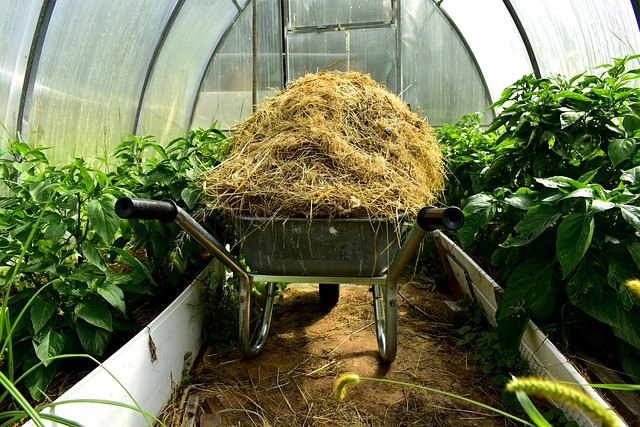
Greenhouse gardening has become increasingly popular in recent years, and it's no surprise why. A greenhouse can grow plants year-round, even in colder climates. Many different types of greenhouses are available, each with its unique set of benefits and drawbacks. This article will explore the various types of greenhouses and their advantages and disadvantages.
The Different Types of Greenhouses
1. Traditional Greenhouse - This is the most common type of greenhouse made of aluminum or wood frames covered with plastic or glass panes. It provides ample space for growing plants and is easy to maintain. However, it may not be as energy efficient as other greenhouses.
2. Hoop House - Also known as high tunnels, hoop houses are becoming more popular among small farmers and homeowners. They are cheaper than traditional greenhouses and provide better insulation. However, they are less durable and require more maintenance.
3. Geodesic Domes - These greenhouses are designed to withstand harsh weather conditions and are perfect for areas that experience heavy snowfall or strong winds. They are also highly energy efficient but tend to be expensive.
4. Lean-To Greenhouse - As the name suggests, these greenhouses are attached to an existing structure, such as a house or barn. They are ideal for those with limited space and want to utilize unused wall space. However, they may not be as sturdy as freestanding greenhouses.
5. Cold Frame - A cold frame is a miniature greenhouse that sits directly on the ground. It is perfect for starting seeds early and extending the growing season late into fall. However, it does not offer much protection from extreme temperatures.
Hydroponics: A Revolutionary Way of Growing Plants
One of the most significant advancements in agriculture in recent times is hydroponics. Hydroponics involves growing plants without soil by using nutrient-rich water instead. The plant's roots are suspended in the water, allowing them to absorb all the necessary nutrients quickly. Hydroponics offers several benefits over traditional soil-based agriculture, including faster growth rates, higher yields, and reduced water usage. Additionally, since the plants are grown indoors, there is no need to worry about pests or weather damage.
Aquaponics: Combining Fish Farming with Plant Cultivation
Another innovative method of growing plants is aquaponics. Aquaponics combines fish farming with plant cultivation, creating a symbiotic relationship. Waste generated by the fish is used to fertilize the plants, while the plants help purify the water for the fish. This system is highly sustainable and produces both vegetables and fish simultaneously.
Conclusion and Maintenance Tips for Your Greenhouse
In conclusion, choosing the right type of greenhouse depends on your specific needs and budget. Whether you choose a traditional greenhouse, a hoop house, or a geodesic dome, maintain it properly. Regular cleaning and maintenance ensure that your greenhouse remains energy efficient and extends the structure's lifespan. Finally, consider incorporating hydroponics or aquaponics systems into your greenhouse for maximum productivity and sustainability.
The Best Gardening Secrets for a Thriving Greenhouse
Greenhouse gardening is a popular hobby for many people, and it can be an excellent way to grow fresh produce year-round. However, maintaining a greenhouse requires time and effort. This blog post will share some of the best gardening secrets that will help you keep your greenhouse thriving.
Introduction to Greenhouse Gardening
A greenhouse is a structure with walls made mostly of glass or plastic, which allows sunlight to enter and warm up the interior. This creates a controlled environment where plants can grow even in cold weather conditions. The temperature inside a greenhouse can be regulated by opening or closing vents, shading the windows, or using heaters or coolers.
The Importance of Regular Maintenance
Regular maintenance is essential to keeping your greenhouse in good condition. It would be best to regularly clean the glass or plastic walls to ensure maximum light enters the greenhouse. Dirty surfaces can reduce the light entering, making it difficult for plants to grow. Additionally, you must check for pests and diseases regularly and take appropriate measures to control them.
Choosing the Right Type of Greenhouse
There are different types of greenhouses available on the market today. Some standard options include lean-to, freestanding, geodesic, and conservatory greenhouses. When choosing a type of greenhouse, consider factors such as space availability, budget, climate, and intended use. A lean-to greenhouse, for example, is ideal for those with limited space, while a freestanding model provides more flexibility.
Essential Gardening Tips for a Thriving Greenhouse
To keep your greenhouse thriving, here are some essential tips:
1. Use high-quality soil - Your plants require healthy soil to grow well. Consider using potting mixes designed explicitly for greenhouse gardening.
2. Water correctly - Overwatering or under-watering can harm your plants. Ensure you water your plants when needed, and avoid overwatering.
3. Control humidity levels - High humidity can cause fungal problems, while low humidity can lead to wilting leaves. Depending on your needs, maintain optimal humidity levels by installing a humidifier or dehumidifier.
4. Prune regularly - Pruning helps to shape your plants and encourage new growth. It also makes it easier to harvest crops.
5. Rotate crops - Growing the same crop repeatedly in the same spot can deplete nutrients from the soil. Rotating crops ensures that each plant gets access to fresh nutrients.
Common Mistakes to Avoid in Greenhouse Gardening
Here are some mistakes to avoid when growing plants in a greenhouse:
1. Not providing enough ventilation - Poor air circulation can result in stagnant air, leading to mold and mildew formation. Provide adequate ventilation to prevent these issues.
2. Overcrowding plants can become susceptible to disease and pests. Leave enough spacing between plants to allow for proper airflow and light penetration.
3. Neglecting pest management - Pests can destroy your plants quickly if left unchecked. Implement a regular pest management program to protect your plants.
Conclusion: Putting it All Together
Maintaining a greenhouse takes dedication and attention to detail. By following our gardening secrets and avoiding common mistakes, you can create a thriving greenhouse that produces bountiful harvests throughout the year.