Why Greenhouses are the Best Choice for Year-Round Gardening Success
Posted on 03-03-2024 12:43 μμ
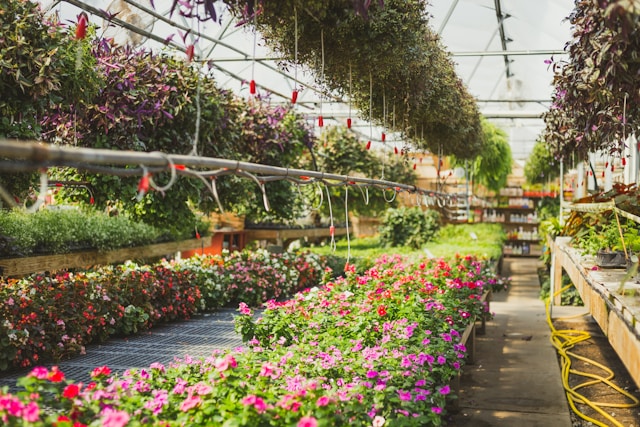
Greenhouse gardening is becoming increasingly popular among homeowners and hobbyists alike. With a greenhouse, you can grow your favorite fruits, vegetables, herbs, and flowers all year round, regardless of weather conditions or seasonal changes. This blog post will explore why greenhouses are the best choice for year-round gardening success.
Introduction to Greenhouse Gardening
A greenhouse is a structure with walls made mostly of glass or plastic that allows sunlight to enter while keeping the temperature inside warm enough to support plant growth even in cold weather. By controlling the environment within the greenhouse, you can extend the growing season, protect plants from harsh weather conditions, and increase crop yields.
The Benefits of Using a Greenhouse
There are many benefits to using a greenhouse for year-round gardening:
1. Extend the Growing Season - A greenhouse enables you to start seedlings early in the spring and grow late into the fall. This means you can enjoy fresh produce longer than relying on outdoor gardens alone.
2. Protect Plants from Harsh Weather Conditions - Greenhouses provide shelter from extreme temperatures, winds, and rainfall, which can damage or destroy crops. You can also control humidity levels and air circulation within the greenhouse to create an ideal plant-growing environment.
3. Improve Crop Yields - Greenhouses allow plants to grow faster and more significantly by providing optimal growing conditions, resulting in higher yields than traditional outdoor gardens.
4. Reduce Pest Damage - Because greenhouses are enclosed structures, they offer protection against pests such as insects, rodents, and birds that can harm your plants.
Year-round gardening with a Greenhouse
You can grow almost any fruit, vegetable, herb, or flower imaginable with a greenhouse. Here are some tips for successful greenhouse gardening:
Tips for Successful Greenhouse Gardening
1. Choose the Right Location - Select a location for your greenhouse that receives plenty of sunlight throughout the day and has good drainage.
2. Install Proper Ventilation - Good ventilation is essential for maintaining healthy air quality within the greenhouse. Make sure there is adequate airflow through the use of fans or vents.
3. Control Temperature and Humidity Levels - Use heaters and cooling systems to regulate the greenhouse temperature and misting systems to maintain proper humidity levels.
4. Water Plants Regularly - Keep soil moist but not overwatered by monitoring soil moisture levels regularly.
5. Fertilize Plants Appropriately - Feed your plants with appropriate fertilizers based on their nutrient requirements.
Common Mistakes to Avoid when Using a Greenhouse
Here are some common mistakes to avoid when using a greenhouse:
1. Overcrowding - Don't crowd too many plants together, as this can lead to poor air circulation and an increased risk of disease.
2. Not Providing Enough Light - If your greenhouse doesn't receive enough natural light, consider installing artificial lights to supplement it.
3. Neglecting Maintenance - Regular maintenance is necessary to keep your greenhouse clean and free of pests and diseases.
Conclusion: Why Greenhouses are the Best Choice for Year-Round Gardening Success
In conclusion, greenhouses offer numerous advantages for year-round gardening success. They enable you to extend the growing season, protect plants from harsh weather conditions, improve crop yields, reduce pest damage, and grow various plants. By following our tips for successful greenhouse gardening and avoiding common mistakes, you can maximize your chances of having a thriving and productive greenhouse garden all year.
The Ultimate Guide to Greenhouse Gardening: Benefits and Tips
Greenhouses are becoming increasingly popular among gardeners, both novice and experienced. They offer a controlled environment that allows you to grow plants even in harsh weather conditions. In this guide, we will explore the benefits of greenhouse gardening, tips for successful cultivation, common mistakes to avoid, and how to get started with greenhouse gardening.
Introduction to Greenhouse Gardening
A greenhouse is a structure made of glass or plastic that traps heat from sunlight, creating a warm and humid atmosphere ideal for plant growth. It provides an insulated environment where temperature, light intensity, air circulation, and humidity can be regulated to suit specific plant requirements. This makes it possible to extend the growing season by starting seeds earlier in spring and continuing late into fall. Greenhouses also allow for year-round vegetable production, which means yearly fresh produce.
Benefits of Using a Greenhouse
1. Extend the Growing Season - By providing a protected environment, greenhouses enable you to start seedlings early in the spring and grow late into fall. You can also overwinter certain crops, such as citrus trees, herbs, and lettuce.
2. Improved Plant Health - A controlled greenhouse environment reduces plant stress caused by extreme temperatures, winds, and pests. As a result, plants grow healthier and have fewer diseases.
3. Higher Yields - With optimal growing conditions, plants grown in a greenhouse tend to have higher yields than those grown outdoors.
4. Better Quality Produce - The sheltered environment ensures that fruits and vegetables ripen slowly, resulting in better taste and texture.
Tips for Successful Greenhouse Gardening
1. Choose the Right Location - Select a site that receives maximum sunlight throughout the day. Avoid areas prone to flooding or strong winds.
2. Install a Ventilation System - Proper ventilation is crucial for maintaining optimum temperature and humidity levels inside the greenhouse. Use exhaust fans to remove hot air during summer and intake vents to bring in cool air during winter.
3. Control Pests and Diseases - Regularly monitor your plants for signs of pest infestations or disease outbreaks. Use natural methods like companion planting and biological controls instead of chemical pesticides.
4. Water Conservatively - Overwatering can lead to root rot and other problems. Use drip irrigation systems to conserve water and reduce waste.
5. Maintain Soil Fertility - Use organic matter and fertilizers to maintain soil nutrient levels. Test soil regularly to determine what nutrients need replenishing.
Common Mistakes to Avoid when Using a Greenhouse
1. Overheating - Excessive heat buildup can damage plants and decrease yield. Ensure proper ventilation and shading to prevent overheating.
2. Underventilation - Poor ventilation leads to stagnant air, causing poor plant growth and increased susceptibility to disease. Monitor air quality regularly and adjust ventilation accordingly.
3. Lack of Light - Plants require adequate light to thrive. Ensure that the greenhouse has enough exposure to direct sunlight or use artificial lights if necessary.
4. Moisture Problems - Too much moisture can cause mold and mildew, while too little can lead to wilting and reduced yields. Adjust watering schedules based on plant needs and environmental factors.
Conclusion: How to Get Started with Greenhouse Gardening
To begin greenhouse gardening, decide on the type of greenhouse you want to build or purchase. Consider factors such as size, materials used, and cost. Once you have selected a suitable location, install the greenhouse and set up the infrastructure needed for planting. Finally, choose the right plants suited for your climate zone and growing conditions, and follow best practices for cultivation. With these steps, you'll soon be enjoying fresh, homegrown produce all year round!